Step 10 - Scaling your AML program as the business grows
Last updated: May 25, 2026
Learning objectives
By the end of this module, you will understand:
How AML programs mature over time,
When manual processes stop working,
How to prepare for growth, audits, partnerships, and increased regulatory scrutiny.
In this last module, you will learn how to describe how your AML program will evolve as your business scales.
Introduction: Why scaling AML requires a mindset shift
AML programs are not static. Controls that work well at an early stage can become ineffective or risky as customer numbers, transaction volumes, and geographic reach increase.
This module focuses on recognizing when change is needed and deliberately planning for that evolution, rather than reacting under pressure.
Section 1: When manual processes stop working
Manual AML processes are common at an early stage and are often appropriate. However, there are clear signals that manual approaches are no longer sufficient.
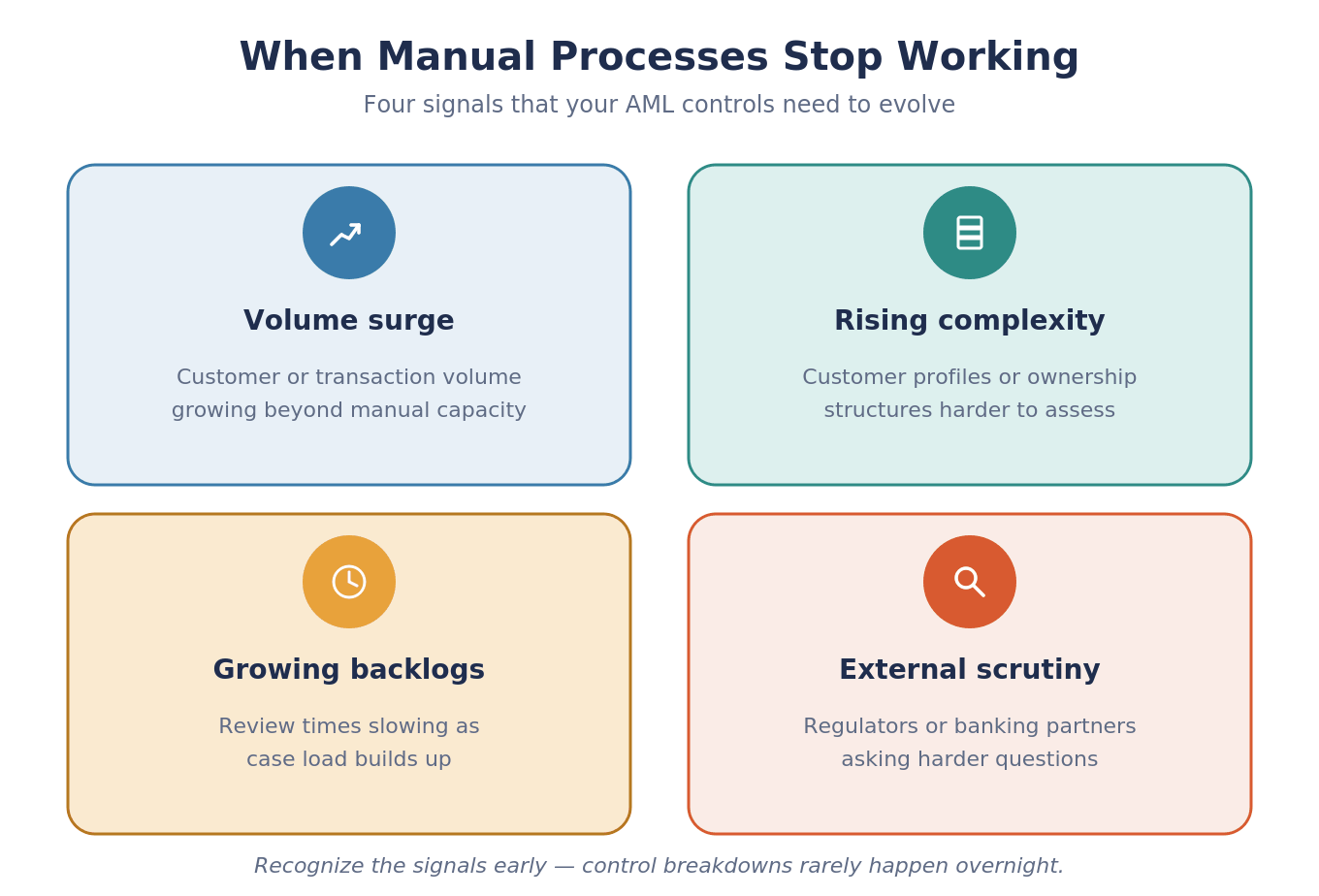
These signals may include:
Sustained growth in customer or transaction volume.
Increasing complexity in customer profiles or ownership structures.
Slower review times or growing backlogs.
Greater scrutiny from regulators or banking partners.
Recognizing these signals early helps prevent control breakdowns.
Pause and reflect.
Think about your current growth trajectory.
What signals would tell you your AML controls need to change?
Do you have a clear plan for how your AML program will evolve as the business scales?
Section 2: How AML programs mature over time
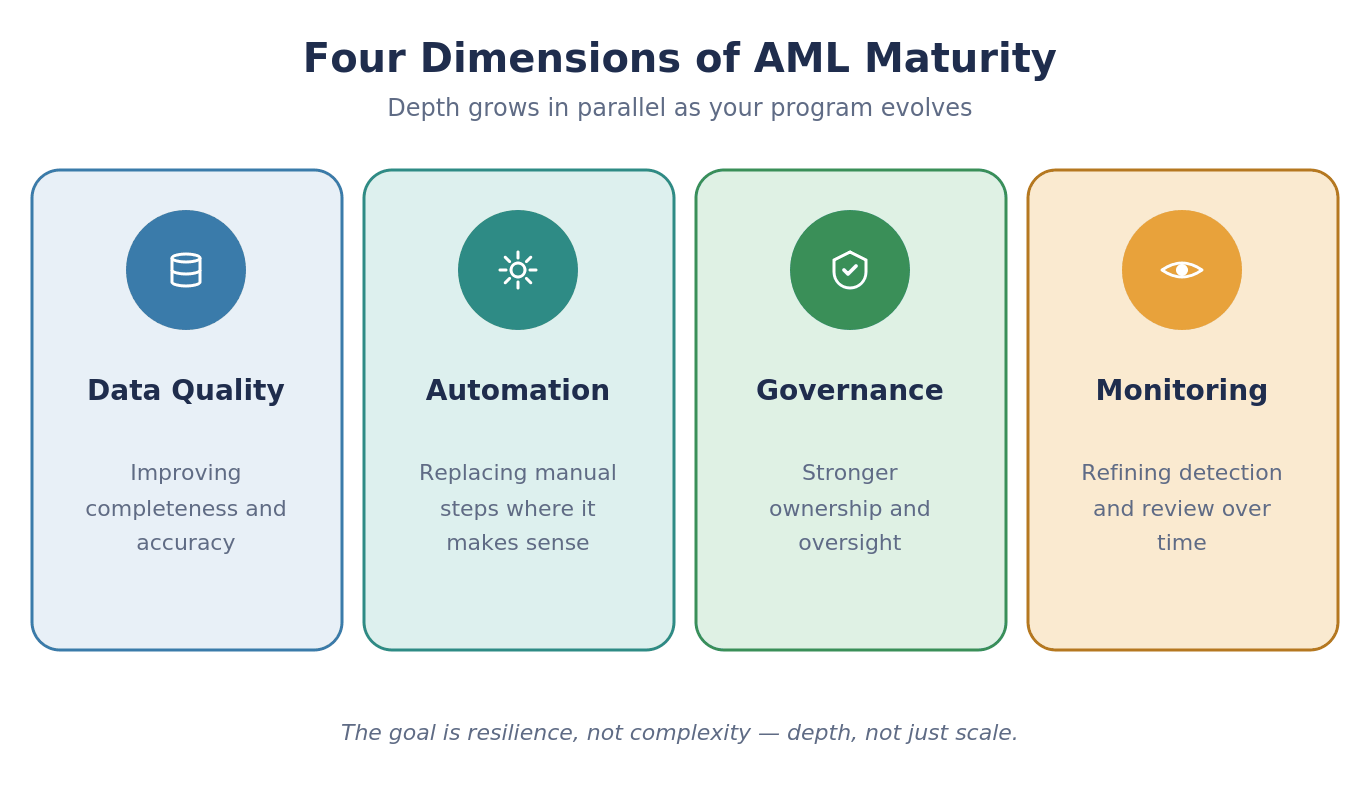
AML maturity is about depth, not just scale. As firms grow, controls become more consistent, automated, and integrated.
Maturing AML programs typically evolve by:
Improving data quality,
Increasing automation,
Strengthening governance,
Refining monitoring.
The goal is not complexity, but resilience.
Regulators expect firms to be able to explain where they are on this maturity journey and what the next stage looks like.
To benchmark your own progress—from manual spreadsheets to fully unified, AI-enabled ecosystems, explore the AML maturity curve framework.
Section 3: The role of technology and automation
Technology plays a critical role in effectively scaling AML. Automation helps firms manage volume, reduce manual error, and maintain consistency.
However, automation does not replace judgment. Regulators expect firms to understand how their systems work and to be able to explain decisions supported by technology.
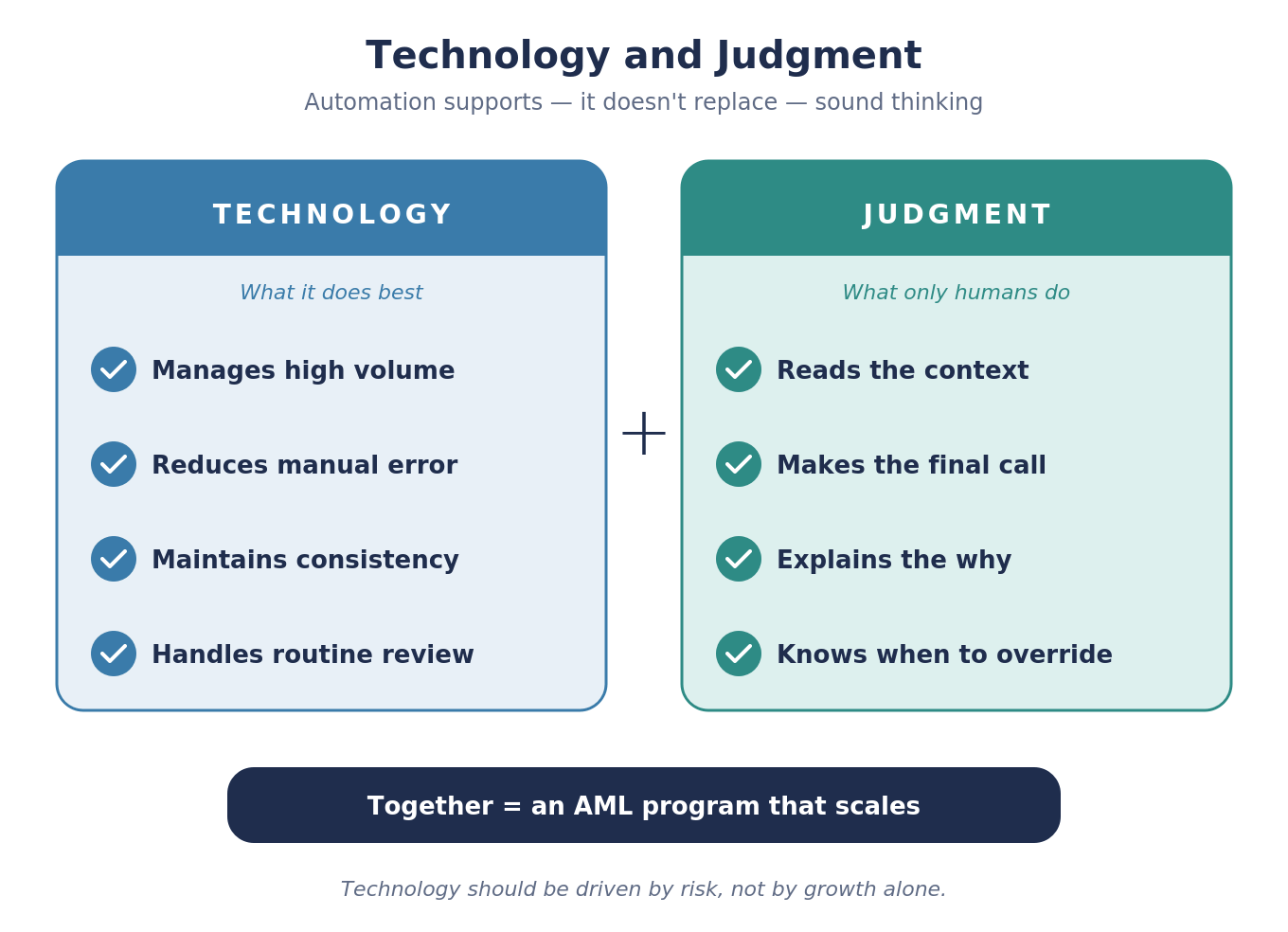
Choosing and implementing technology should be driven by risk, not by growth alone.
Section 4: Preparing for audits, partners, and regulatory reviews
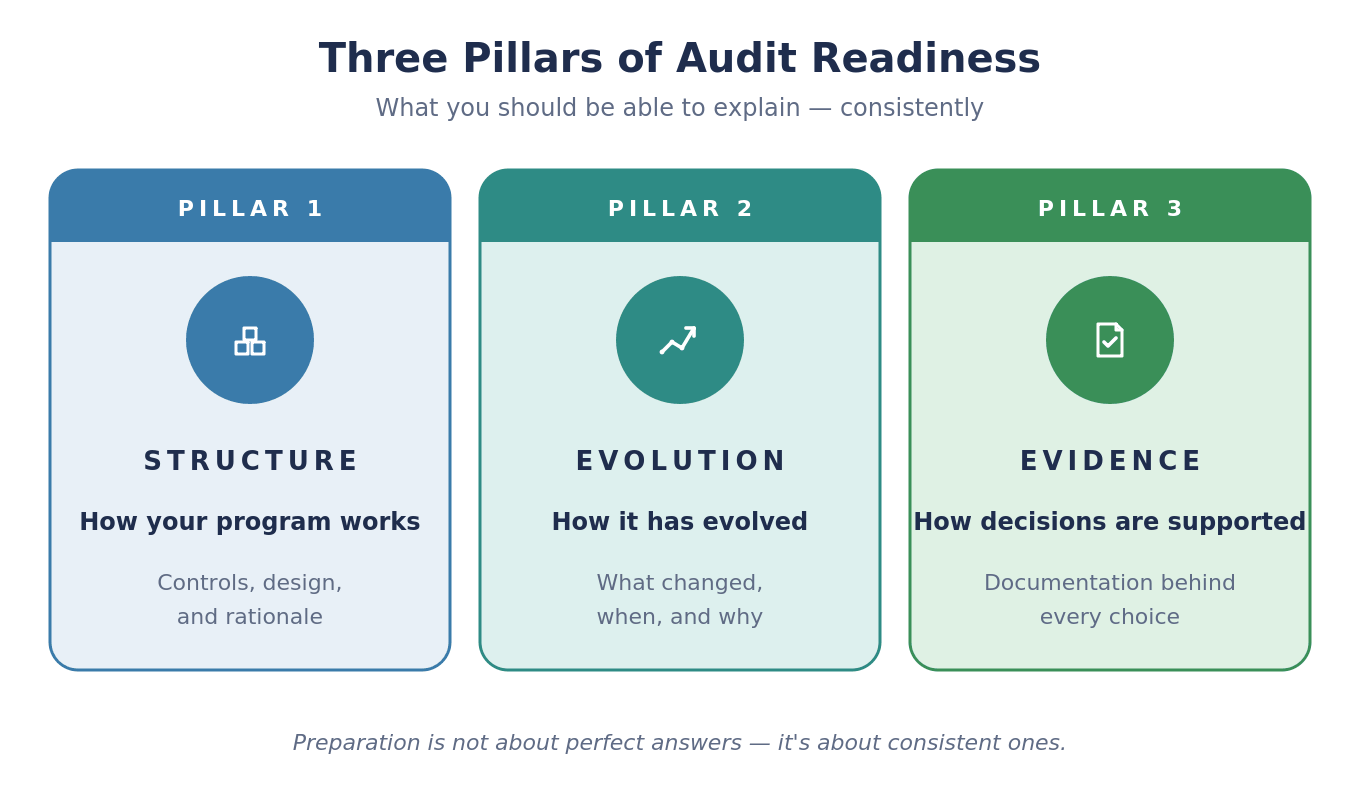
As firms scale, they face increased scrutiny from regulators, auditors, and business partners. Preparation is not about having perfect answers. It is about having consistent ones.
Strong preparation means:
Being able to thoroughly explain how your AML program works,
Being able to thoroughly explain how your AML program has evolved,
Being able to thoroughly explain how decisions are supported by documentation.
Firms that plan for scrutiny early are better positioned to grow confidently. This involves building a unified data architecture that provides auditors with a single, clear view of a customer's risk profile across their entire lifecycle.
Learning checkpoint: What good looks like after step 10
At the end of this module, you should be able to:
Identify when AML controls need to evolve.
Explain how your AML program will mature over time.
Describe the role of technology and automation in scaling.
Demonstrate readiness for audits, partnerships, and regulatory review.
If you can articulate your AML roadmap clearly, you are well-positioned for sustainable growth as your business scales.
Program completion and next steps
Congratulations, you have now completed the core learning journey!
You should have a clear understanding of
Your AML obligations,
Documented and defensible program,
Practical plan for scaling your AML controls alongside business growth.
As your business evolves, revisit the foundations you have built here. Growth introduces new risks, new expectations, and new opportunities to strengthen your program.
Maintaining clarity, consistency, and documented reasoning will help ensure your AML framework continues to support the business rather than slow it down.
Further reading & resources: